
“The Innovation Grant program encourages students to take ownership of their education and school experience,” said District Superintendent Shelly Viramontez.
Through the grant program, 10 student teams are using the design-thinking process to generate, test and implement ideas for two areas identified in our student survey data as needs: campus cleanliness and building a sense of belonging at their schools.
“When we provide students with real-world challenges, they see the connections to what they learn in school and recognize they have the ability to make a difference in their everyday lives,” Viramontez added.
Here are stories of progress at two schools.
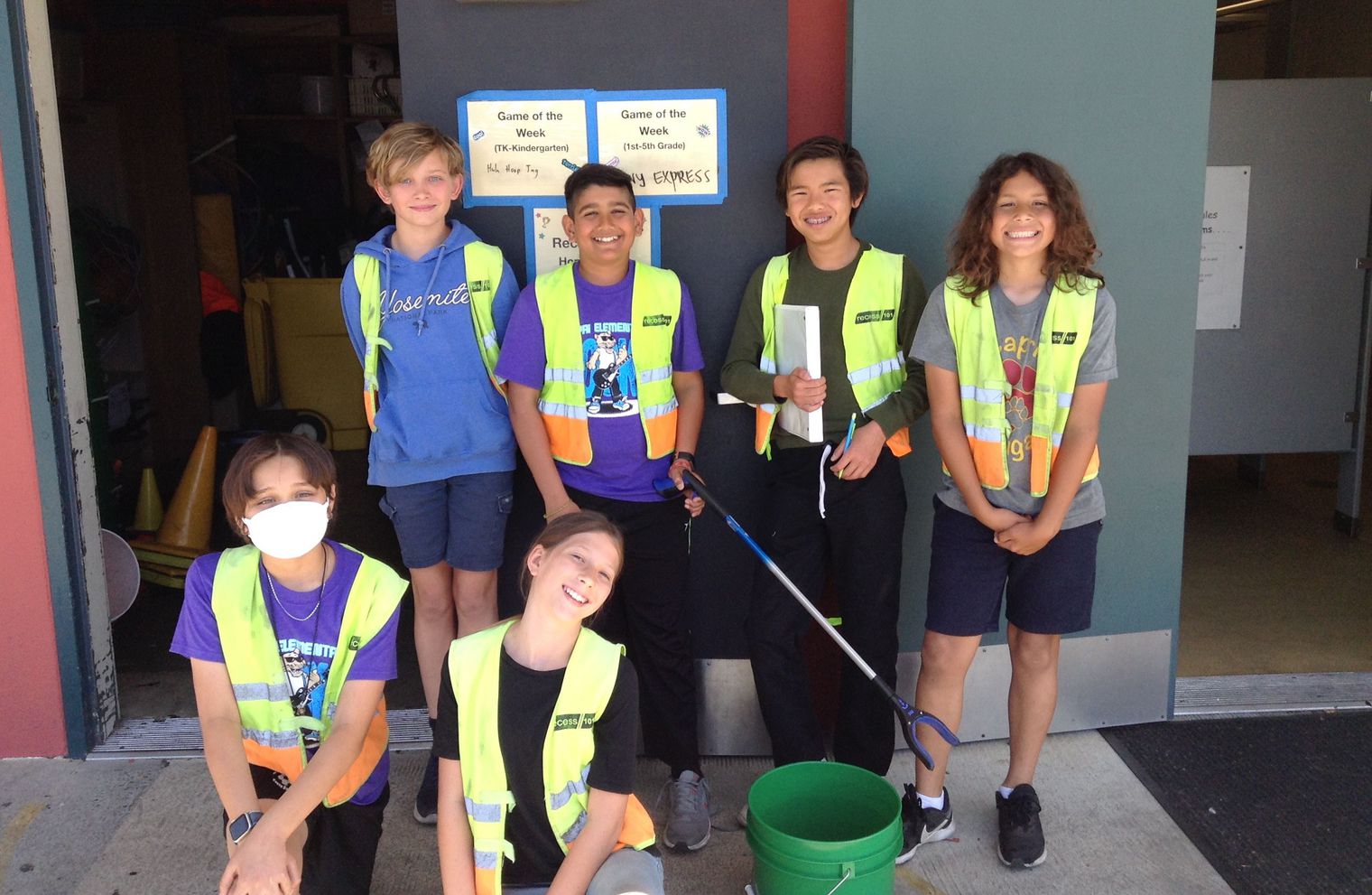
Capri School: Using the idea of prevention, not punishment, the Capri Innovation Team set about promoting positive behavior focused on three challenges: campus cleanliness, maintaining play equipment, and reducing conflicts at recess..
“Our student leadership team has taken the initiative to build community across grade levels through PE Buddies, Recess Buddies, Leadership Club, Design Challenges, and Teacher Green Team (campus clean-up),” said Gloria McGriff. “The students create, collaborate, communicate, and are empathetic.”
The Green Team is a group of students who choose to check out buckets, gloves and “garbage grabbers” to collect litter. “Before, the Green Team was being used for consequences instead of a fun activity to do,” said student Saveh. “We changed it so students and classes that participate earn rewards like a popsicle party, or extra STEAM Lab time.”
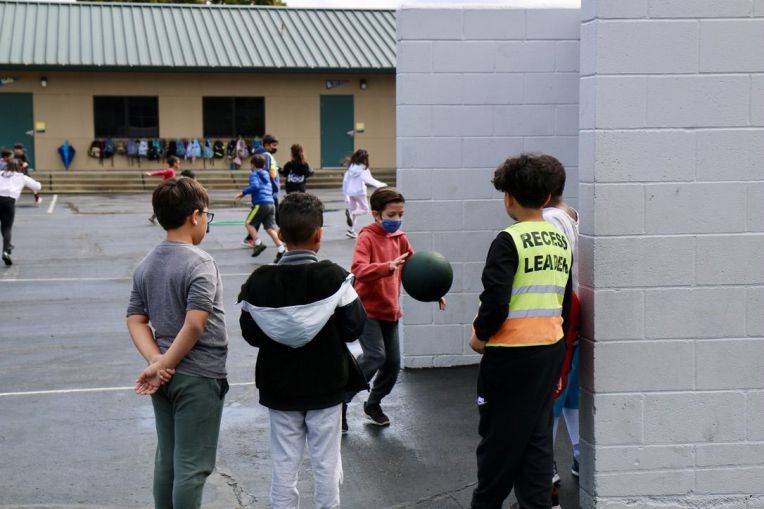 The PE Leaders are trained 4th and 5th grade students who join the students in grades K-2 at recess to lead games, resolve conflicts, and reinforce positive behavior among the younger students. The Innovation Grant helped to pay for training student leaders in conflict resolution with Positive Behavior Interventions and Supports (PBIS), and in the use and care of STEAM Lab and playground equipment.
The students and staff are noticing the difference. The office is seeing fewer students being sent there for making poor choices, and students are more aware of how individual behaviors, like not playing fair or not returning equipment, impact others at the school.
Monroe Middle School: “The challenge was to try to find a way to communicate with people who don’t speak English so they can learn better and feel welcome,” said Gabriel, one of Monroe's Innovation Team members. The team’s solution: Newcomer Ambassadors.
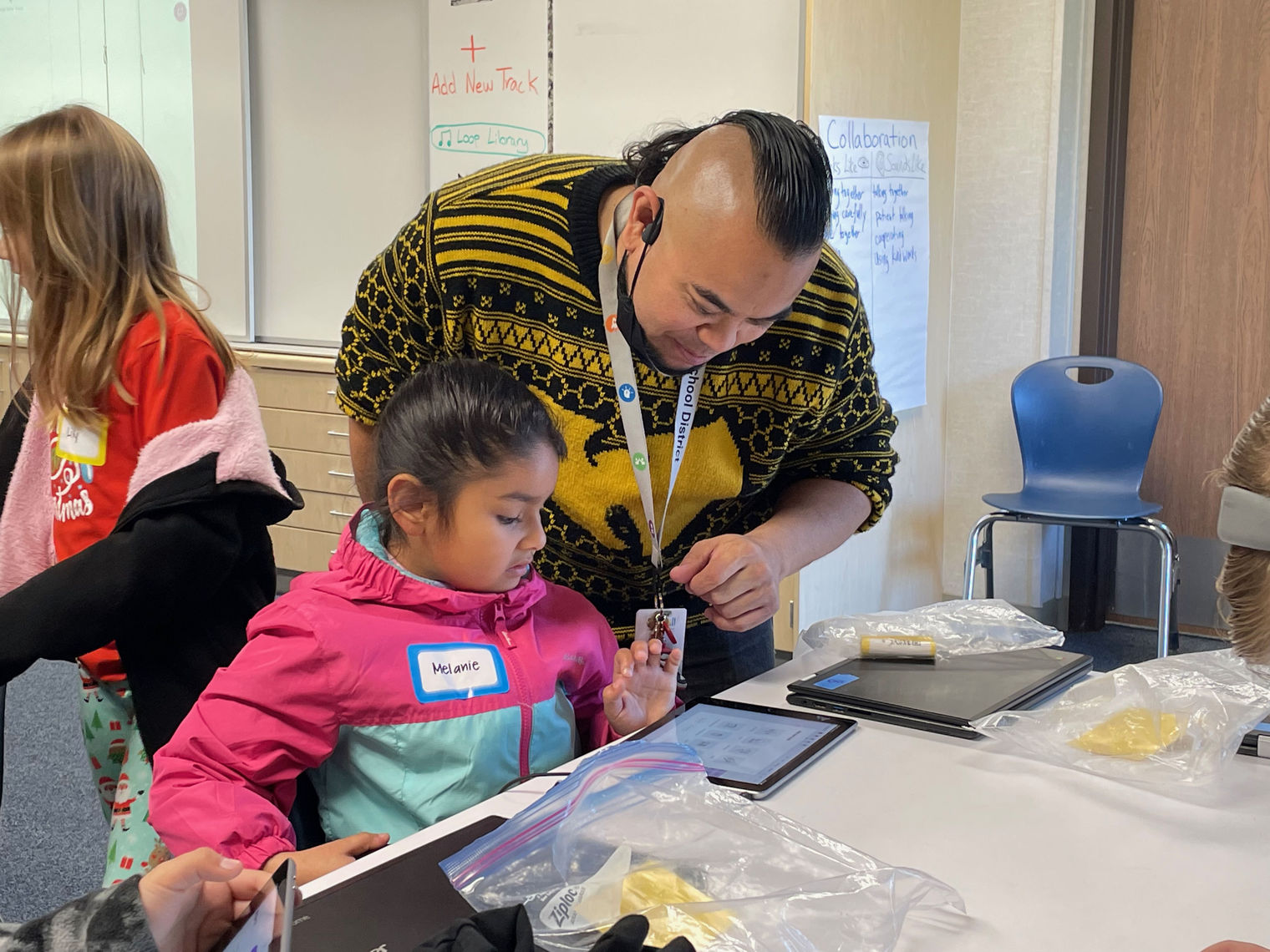
Schools across the U.S. have experienced increasing numbers of students arriving from other countries, such as Ukraine and Afghanistan, who have little or no English skills. The Ambassadors help the new students access translation applications on a school iPad.
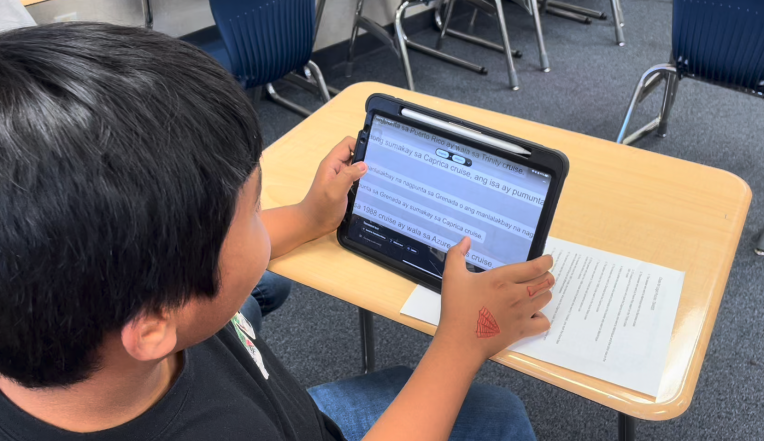 “It helps our students continue to be successful in school, by accessing content-specific material in their home language,” said Teacher Cheryl Lee. The project does more than assist students with their studies. It also builds a sense of belonging as communication between all peers increases. “It also helps students know that they can help themselves,” said student Mobasher.
We will know that this project is successful by analyzing student work production and engagement along with student surveys & interviews.

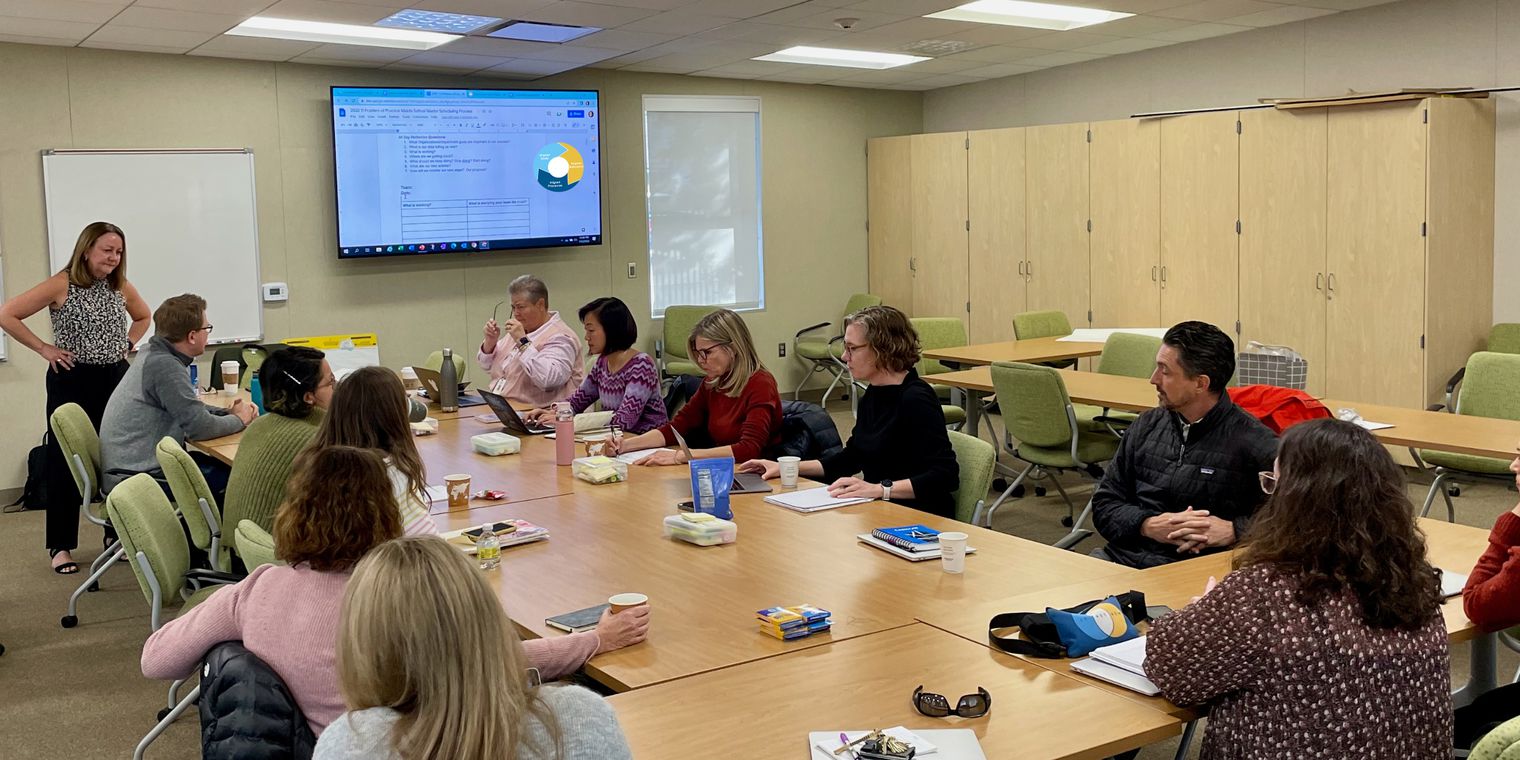
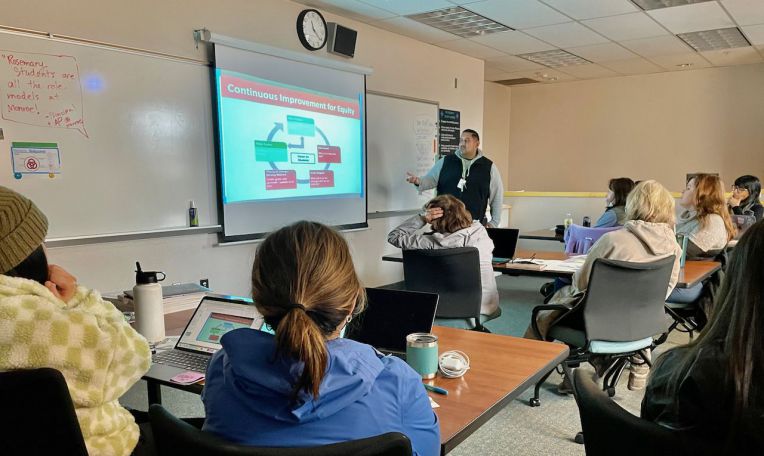 Since the 2021-22 school year, district leaders have trained to use improvement practices to tackle barriers to learning—language differences, socioeconomic disadvantages, and others—and close achievement gaps. Training is expanding this year to include school-level staff.
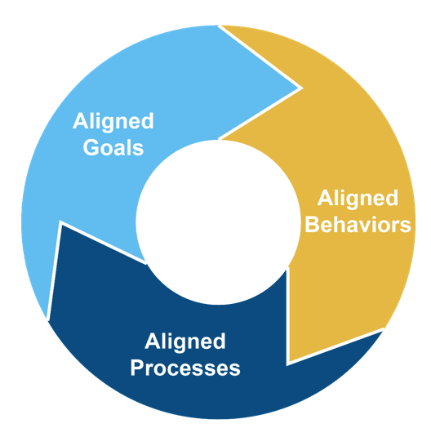 Using surveys, assessments, and other data sources, staff can identify one or two ‘pain points’ in the system, test a solution, study the outcomes, and adjust or continue the practice based on the data. Then, they move on to the next one.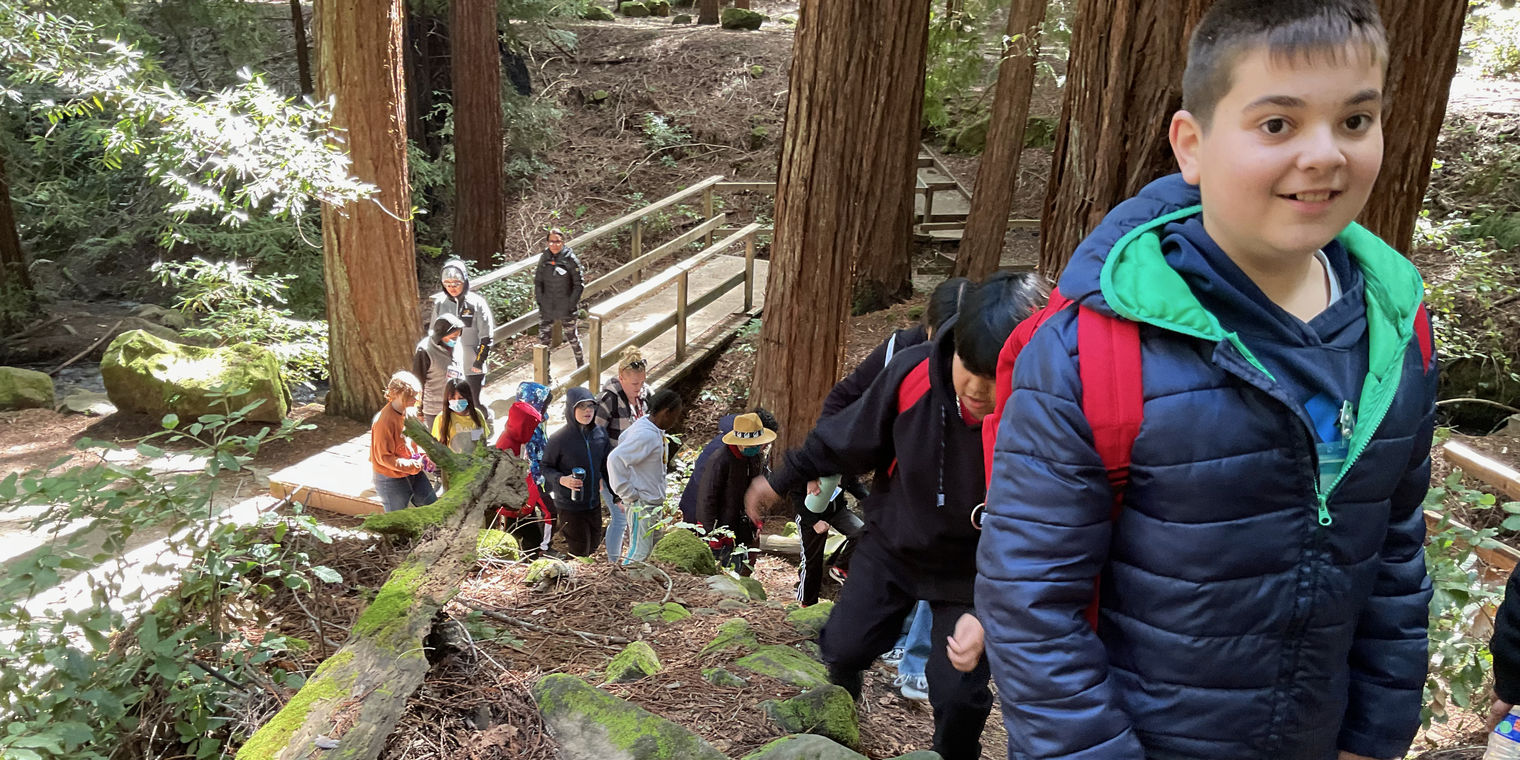
.jpeg) The two Innovation Grant teams want to create a better school experience for their classmates.
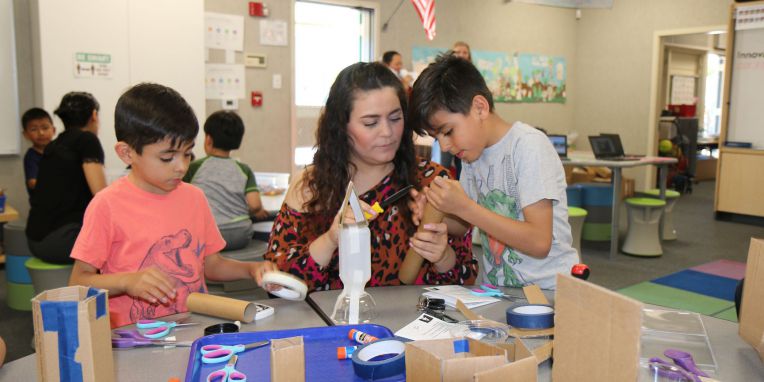
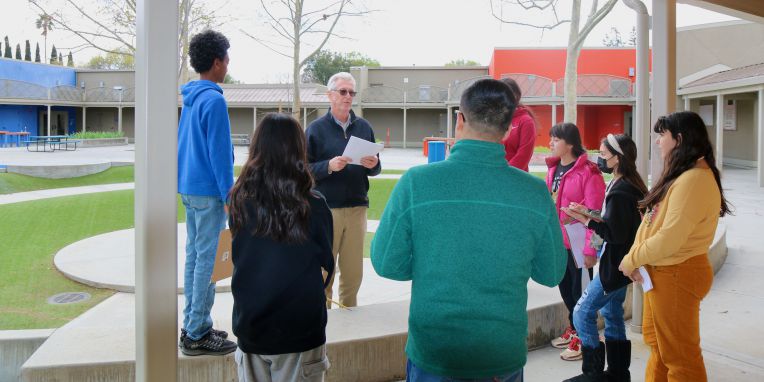
The two Innovation Grant teams want to create a better school experience for their classmates..jpg) The Castlemont team, led by teachers Kelli Sorich and Coriann Snyder, is reimagining the school’s 5th grade science experience so it is affordable, meaningful, and able to be replicated by other schools that choose to do so.
The Castlemont team, led by teachers Kelli Sorich and Coriann Snyder, is reimagining the school’s 5th grade science experience so it is affordable, meaningful, and able to be replicated by other schools that choose to do so. 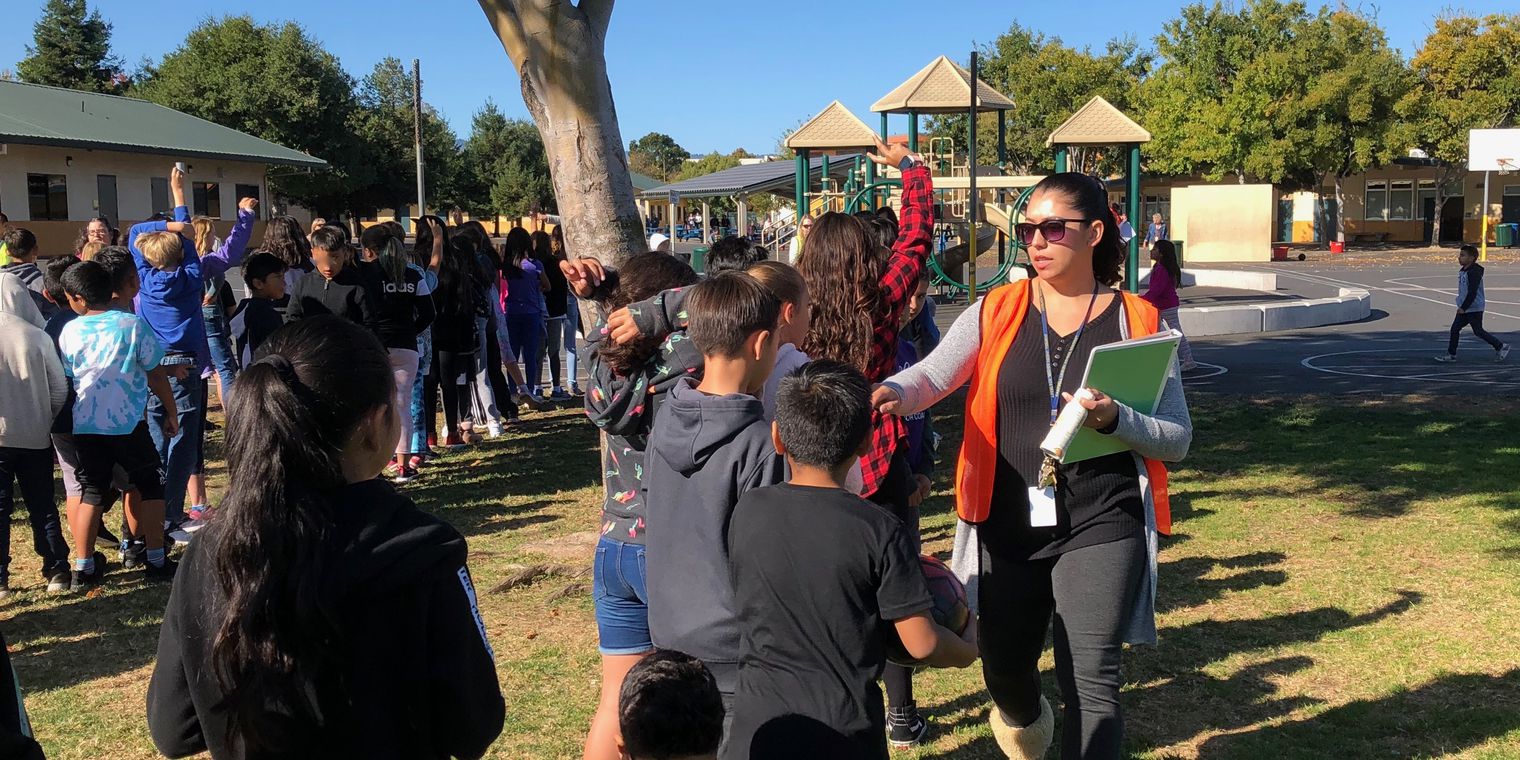
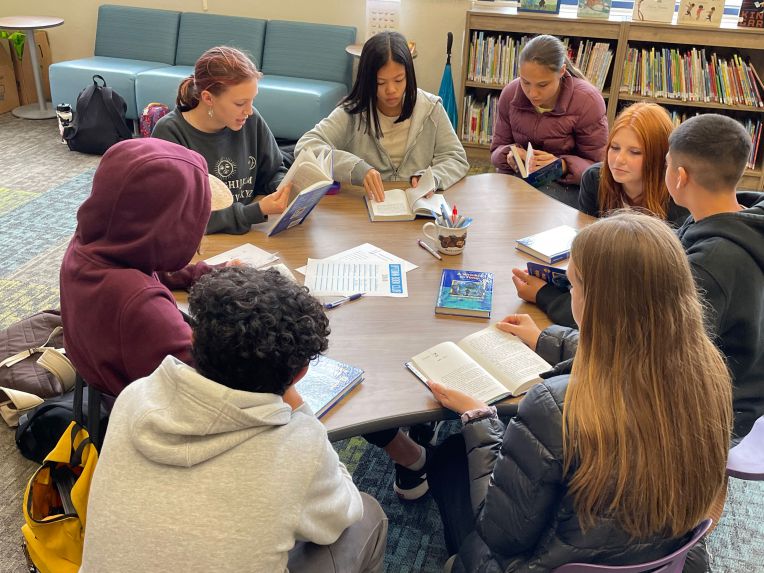 CSI’s student team has been working with Library Technician Sunny Huong to enhance the library experience for all students and making the “Think Tank” a welcoming space for students in the upper grades. The grant is making it possible to keep the library open during lunch for the upper grade students, holding book club meetings and community events, and eventually offering it as a study hall space after school on Wednesdays.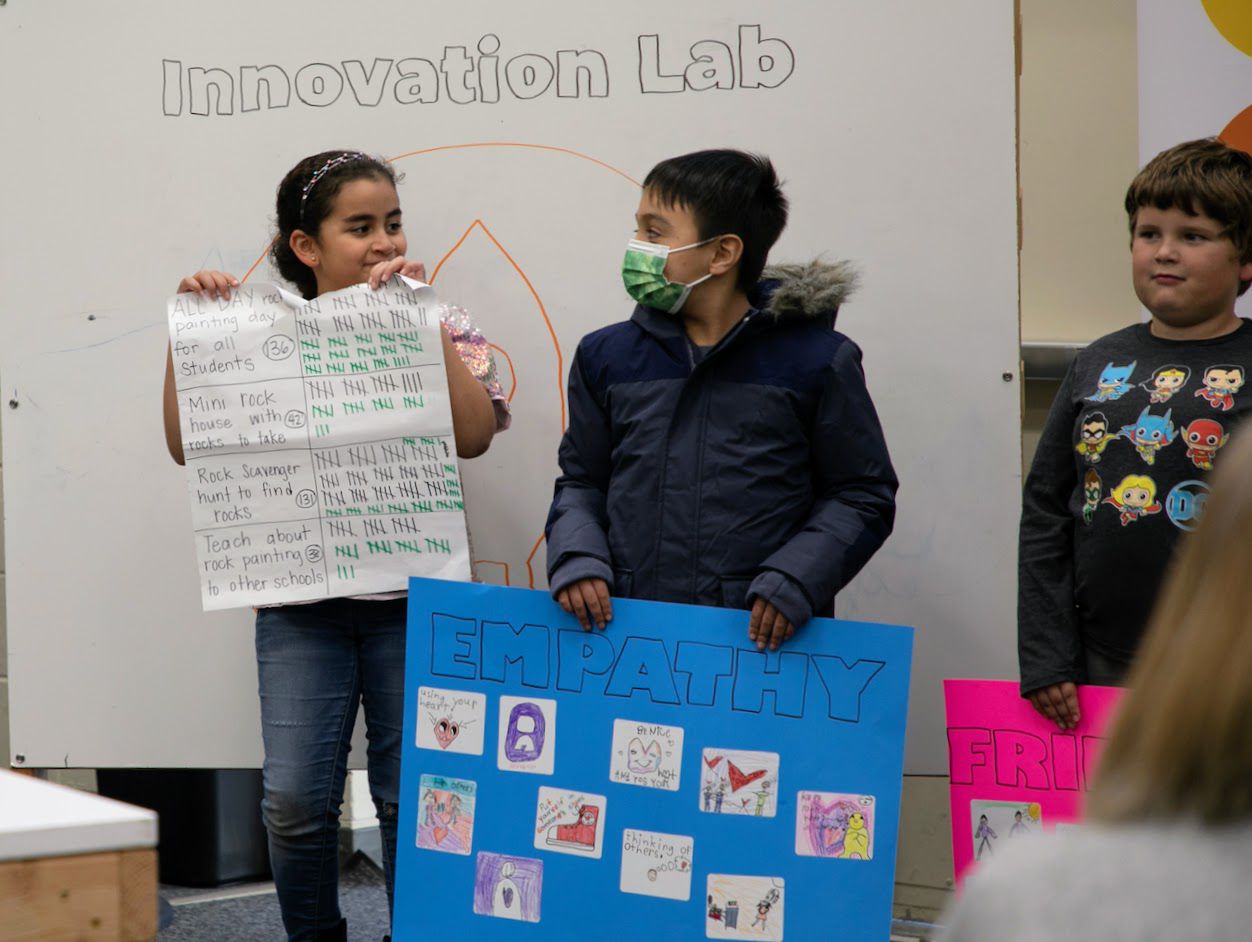
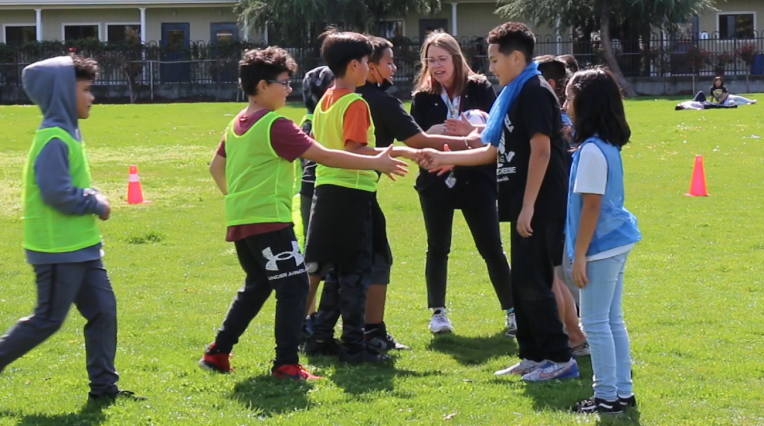 On the first day of soccer club, fourth grade club leader Gabriel D. said clubs are making a difference. “I see people being more kind to each other,” he said. Co-leaders Ava C. and Fabian D. agreed, adding that they like helping kids learn soccer skills, sportsmanship, and seeing both girls and boys playing the game together.
 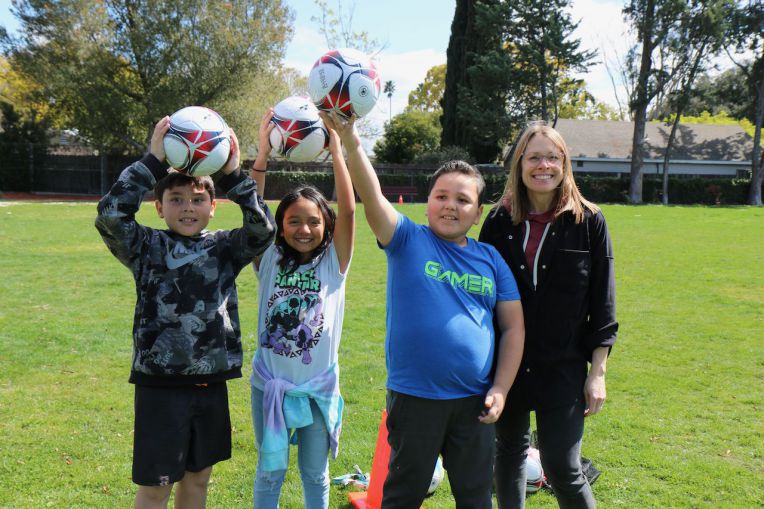 To know if their efforts are successful, students will gather data through observations and future
 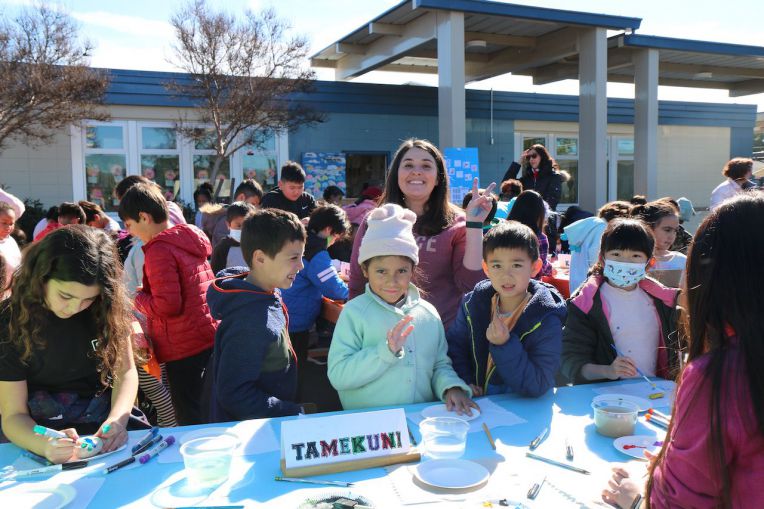 Lynhaven’s “Kindness Rocks”:
 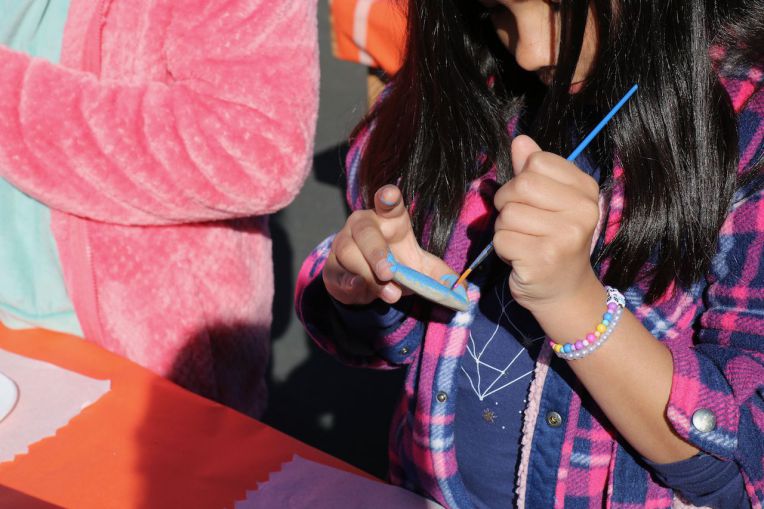 “When students feel connected and proud of their school, they gain a sense of ownership that leads to a range of positive behaviors and improved academics,” said Teacher Erin Lewis.